


Rigid or soft? Choosing a gaming mouse pad directly changes the feel under your hand. A soft pad generally promotes control thanks to greater friction. A rigid pad favors faster, more direct gliding. The best choice therefore depends on your mouse, your sensitivity, and, above all, the type of movement you are looking for in-game.
What is the difference between a rigid and a soft mouse pad?
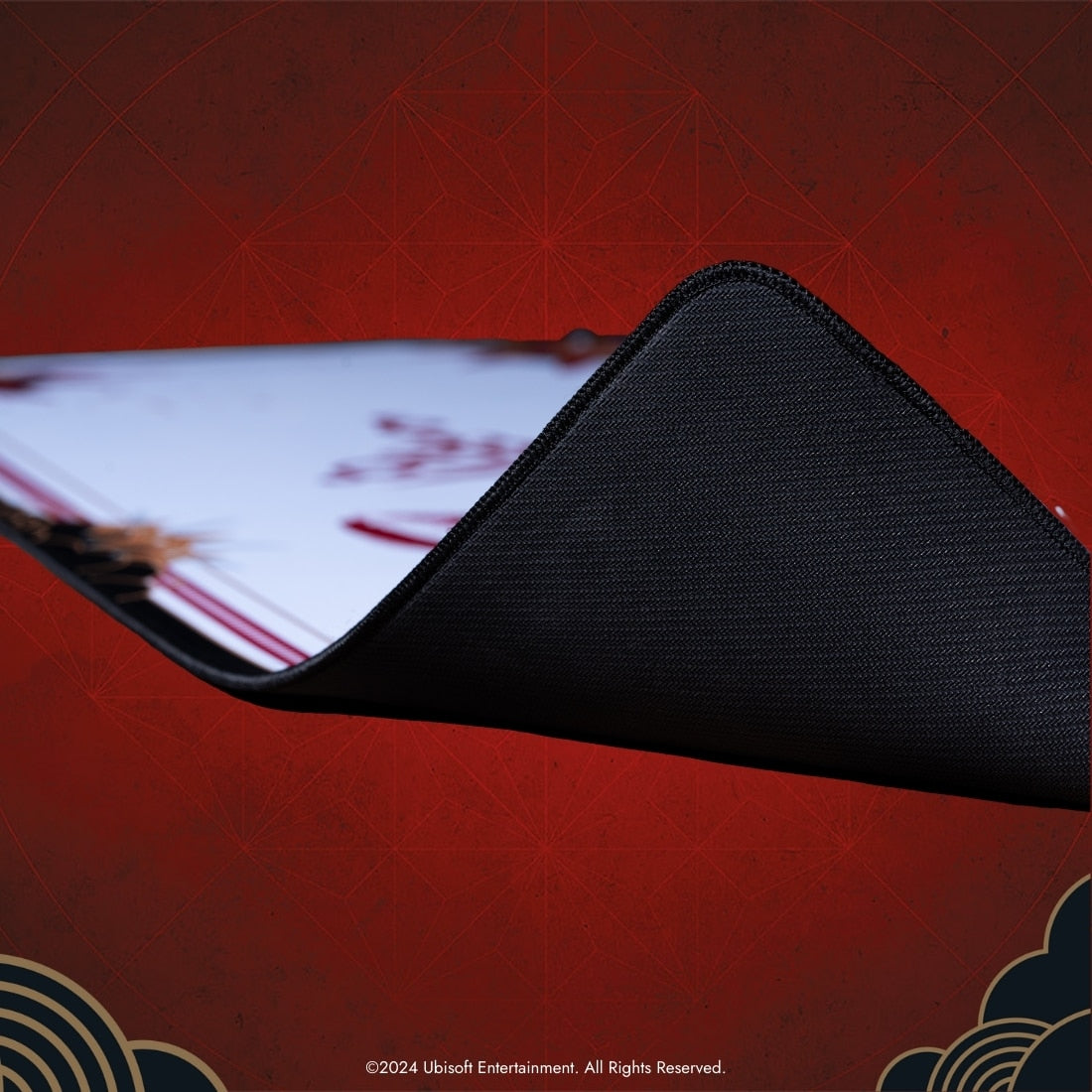
A soft pad is generally made of a rubber or foam base covered with fabric. The surface slightly follows the mouse's movements and provides a certain amount of resistance.
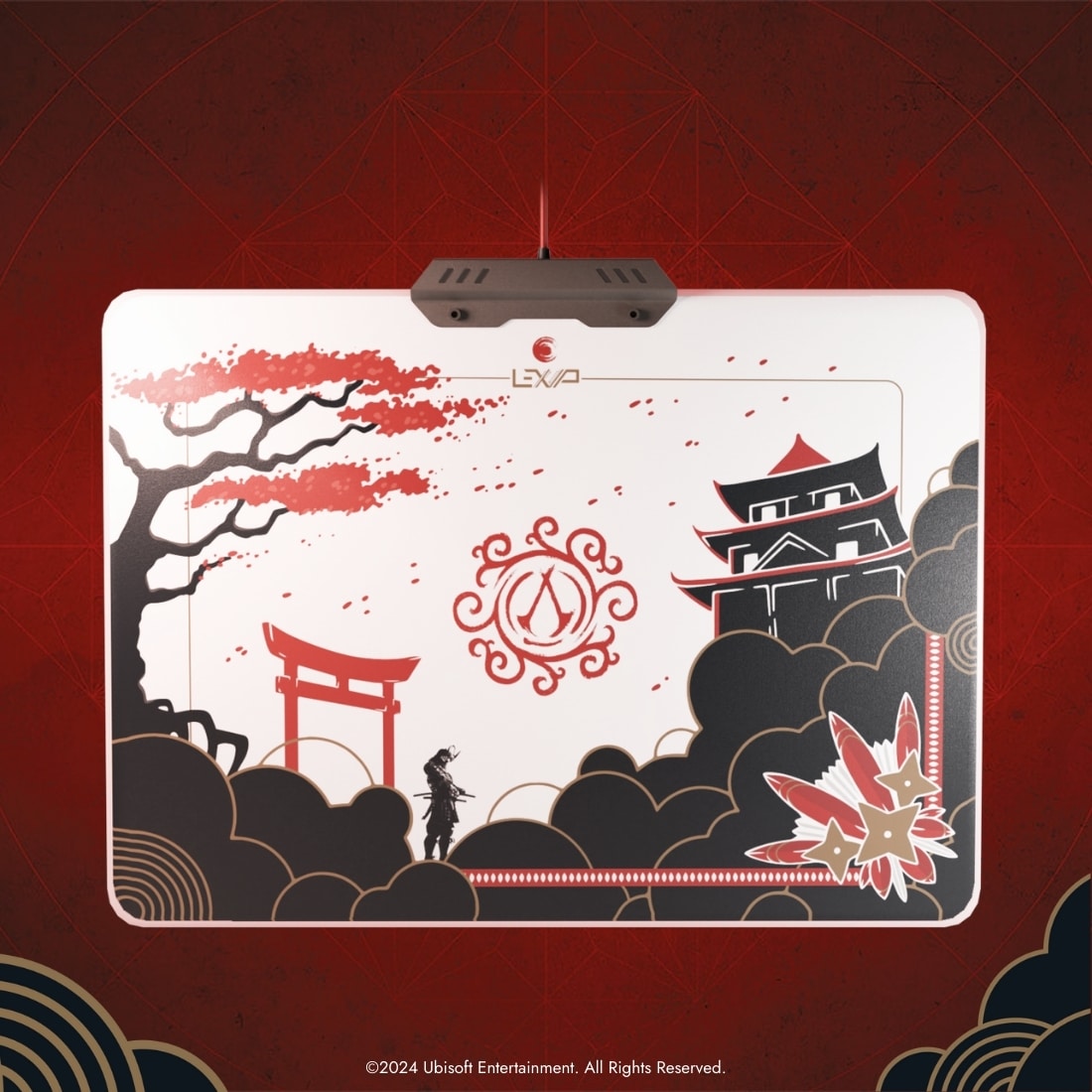
A rigid pad, on the other hand, relies on a firm surface, such as plastic, glass, or a composite material. Movement is often freer, with less friction.
This difference seems simple, but it quickly transforms the feel: stopping movement, micro-adjustments, the range of motion needed for aiming, or the speed of lateral movement.
Why choose a soft mouse pad?
A soft pad remains a very versatile choice for gaming.
Its friction allows you to better feel the mouse's trajectory. It also makes it easier to stop the movement when you are trying to place your cursor precisely.
This can be particularly beneficial for FPS games with low sensitivity. In Valorant, Counter-Strike 2 or Rainbow Six Siege, many players make large arm movements and then aim to stop them with precision.
The soft pad also provides several practical advantages:
-
a wide variety of sizes;
-
XXL formats that are easy to find;
-
a comfortable surface for the wrist;
-
easier to transport since it can often be rolled up;
-
generally quite predictable behavior.
For a player who prioritizes movement control, this is often the easiest choice to adopt.
Why choose a rigid mouse pad?
A rigid pad generally reduces resistance to movement more effectively.
With less friction under the feet, the mouse responds quickly to small impulses. The movement feels lighter, and the sensation of speed becomes more apparent.
This approach may suit players who are looking for a great deal of fluidity or who use medium to high sensitivity.
In fast-paced games like Apex Legends, Fortnite or Overwatch 2, some players appreciate this extra freedom for quick changes in direction.
Conversely, a very fast surface sometimes requires more mastery. A tiny involuntary movement is enough to shift the crosshair slightly.
Which pad should you choose for more precision?
Precision does not depend solely on the pad.
It comes from the combination of the mouse, the feet, the surface, and the sensitivity.
A fast pad paired with a mouse that already glides a lot can provide an extremely free feeling. Conversely, a more controlled surface can slightly slow down the movement to facilitate adjustments.
The right choice is therefore to seek a balance rather than maximum speed.
Do mouse feet really change the choice of pad?
Yes. The material of the feet directly influences the contact with the surface.
PTFE feet, which are very common on gaming mice, generally offer a smooth glide while maintaining a certain level of friction depending on the pad used.
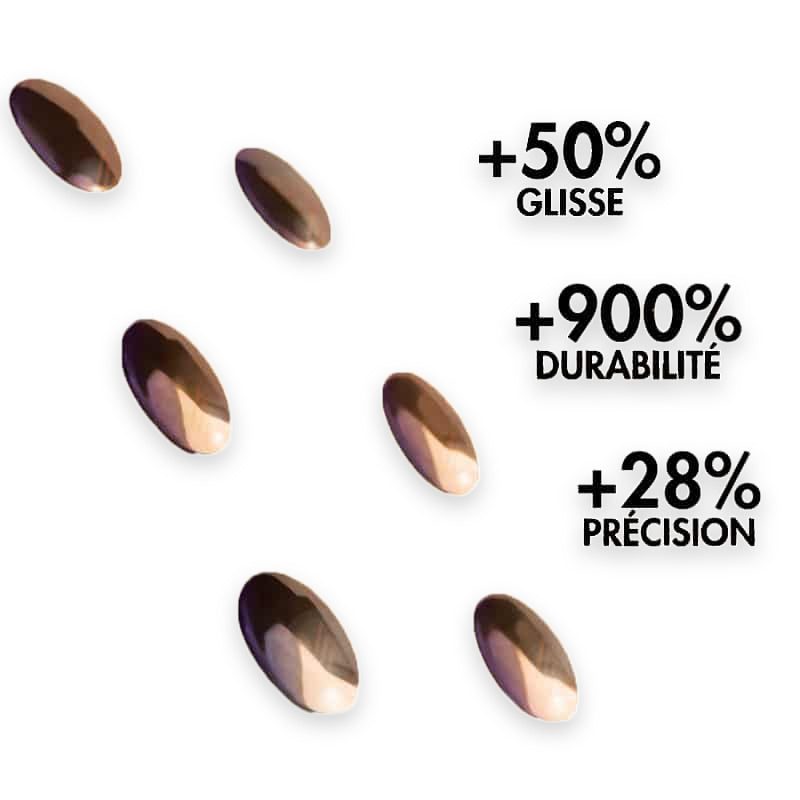
Ceramic offers a different type of contact. Its hardness and low resistance to movement can produce an especially free-gliding sensation.
Therefore, it is the combination of the two surfaces that counts.
A pad cannot be evaluated in exactly the same way with all mice.
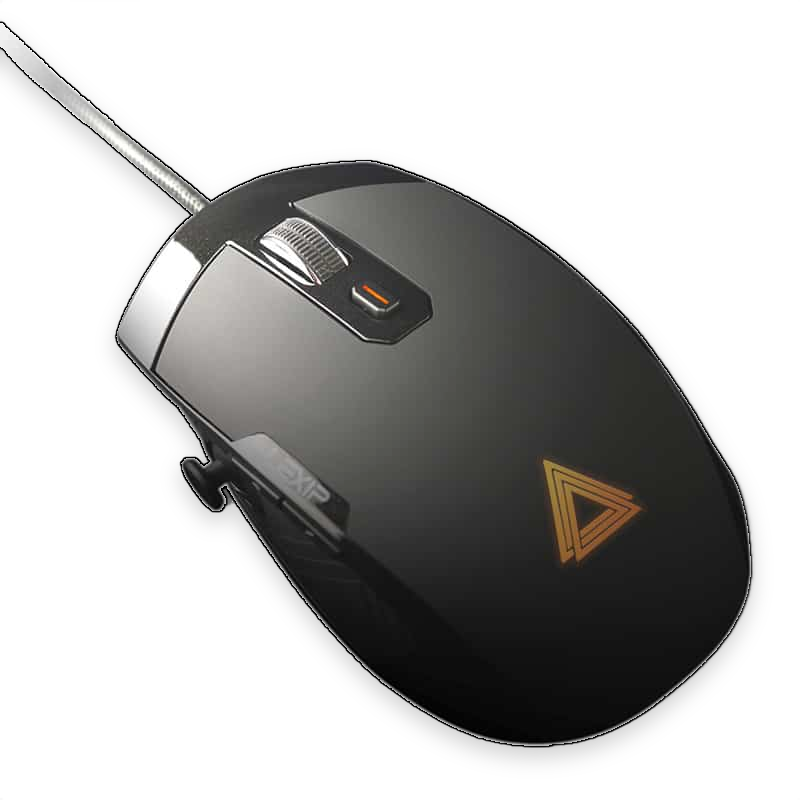
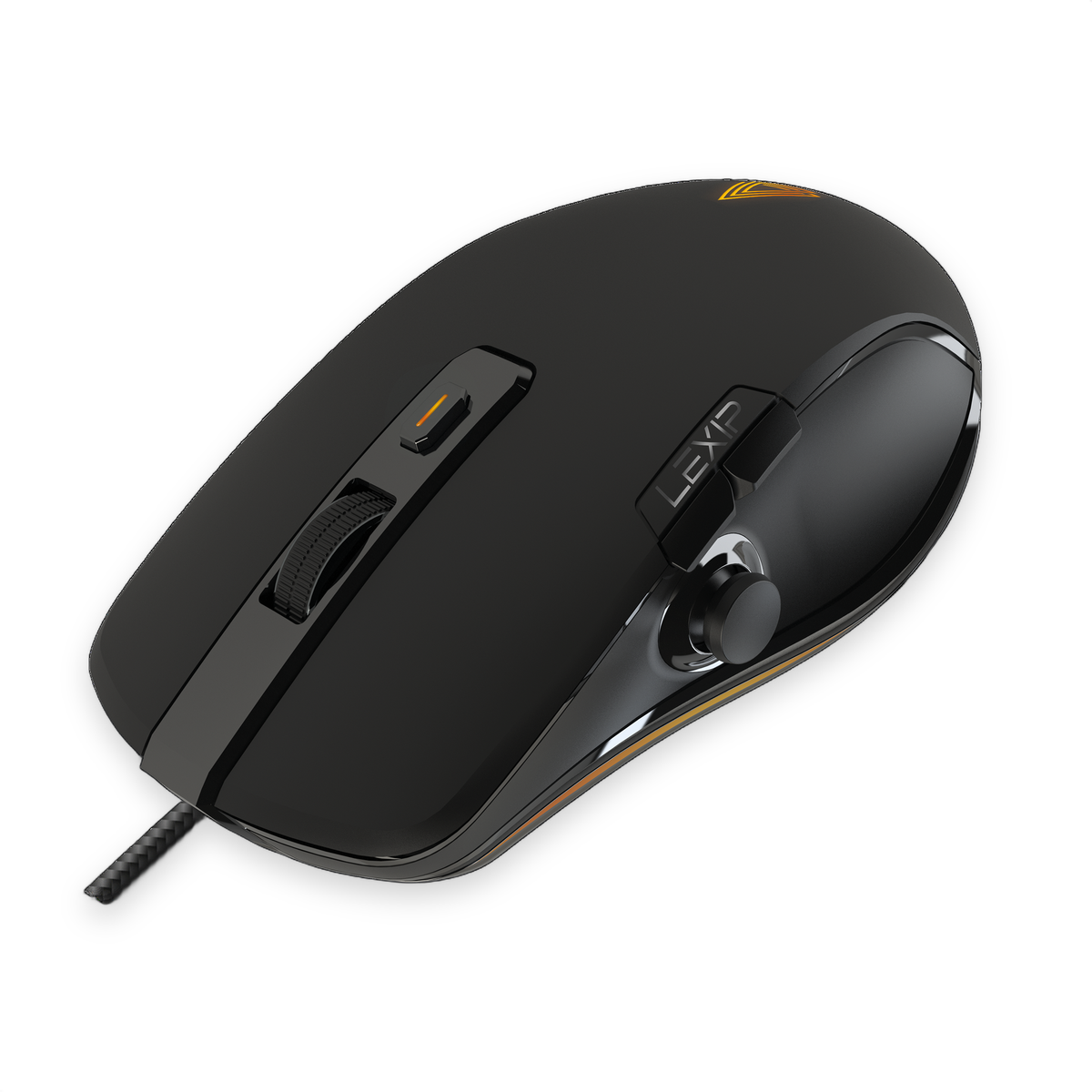
Which pad should be used with the LEXIP PU94?
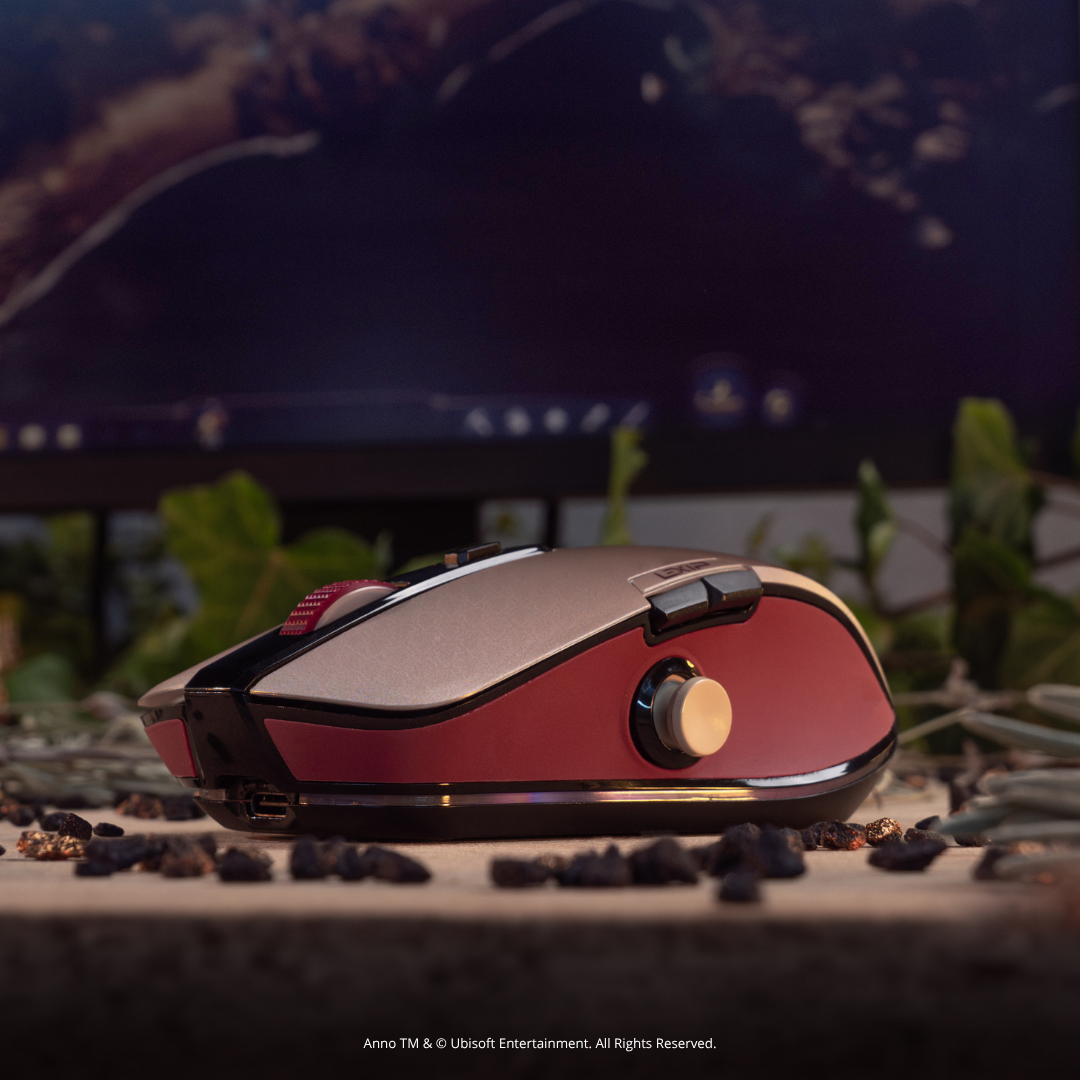
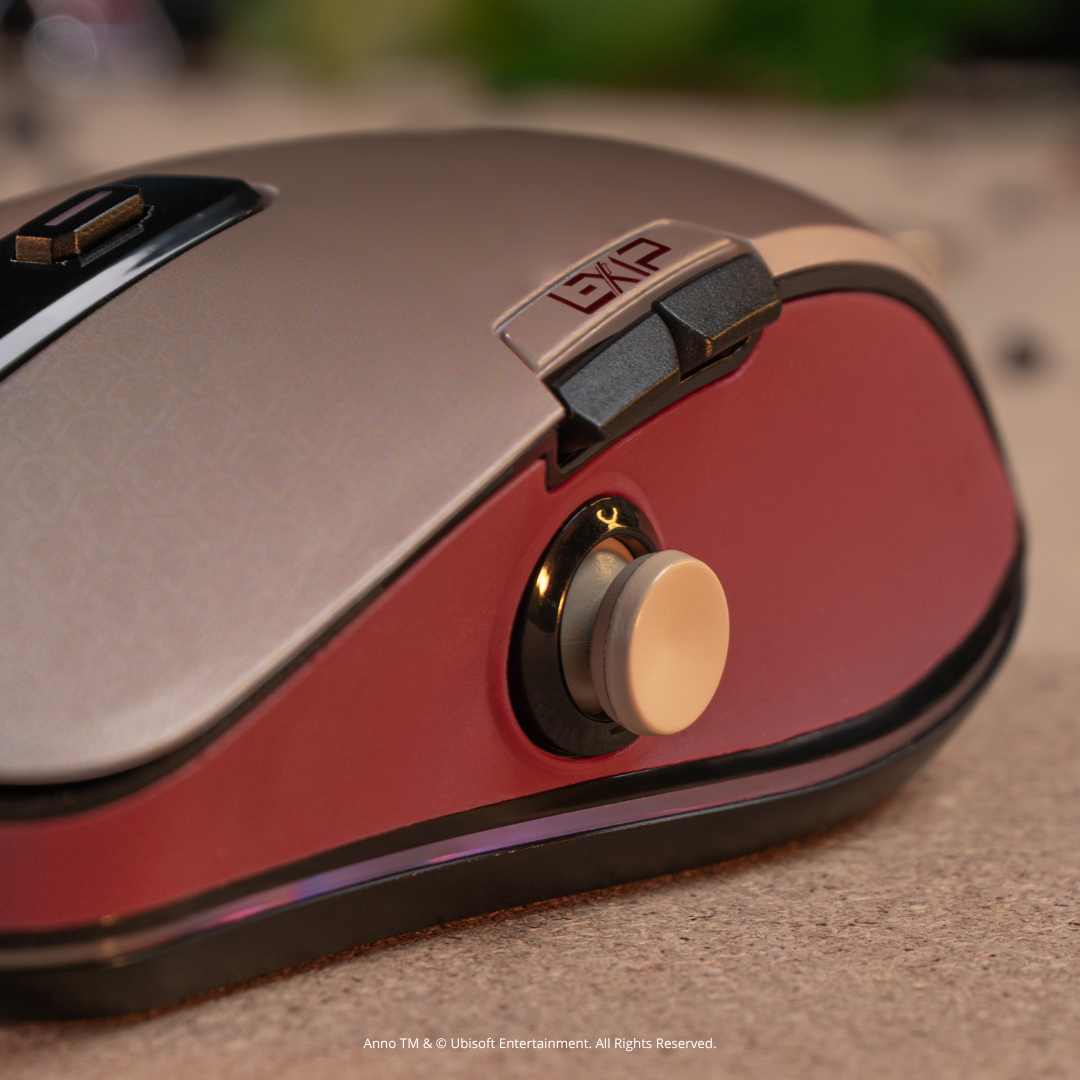
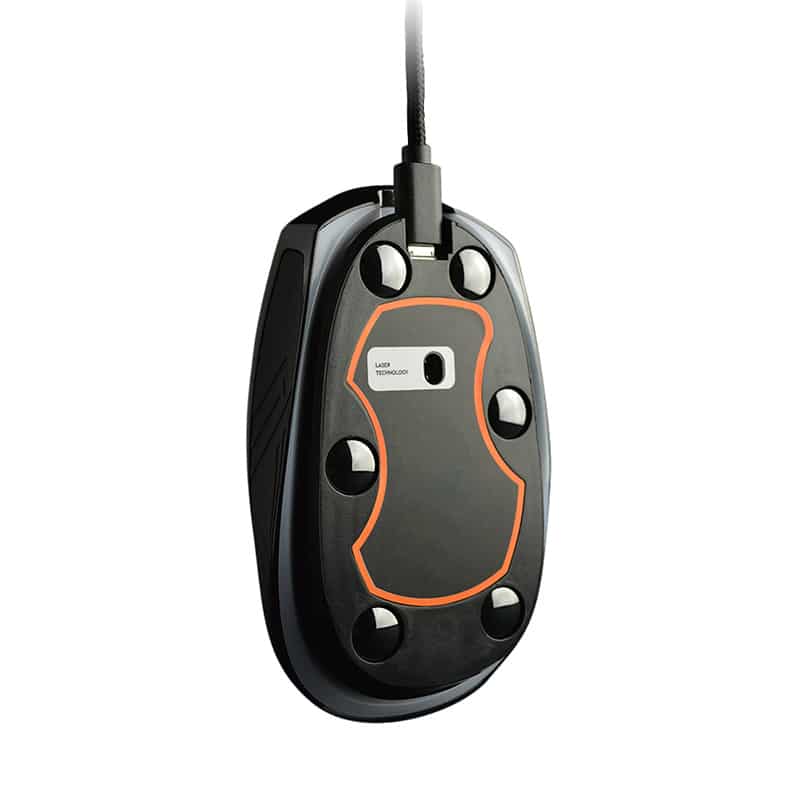
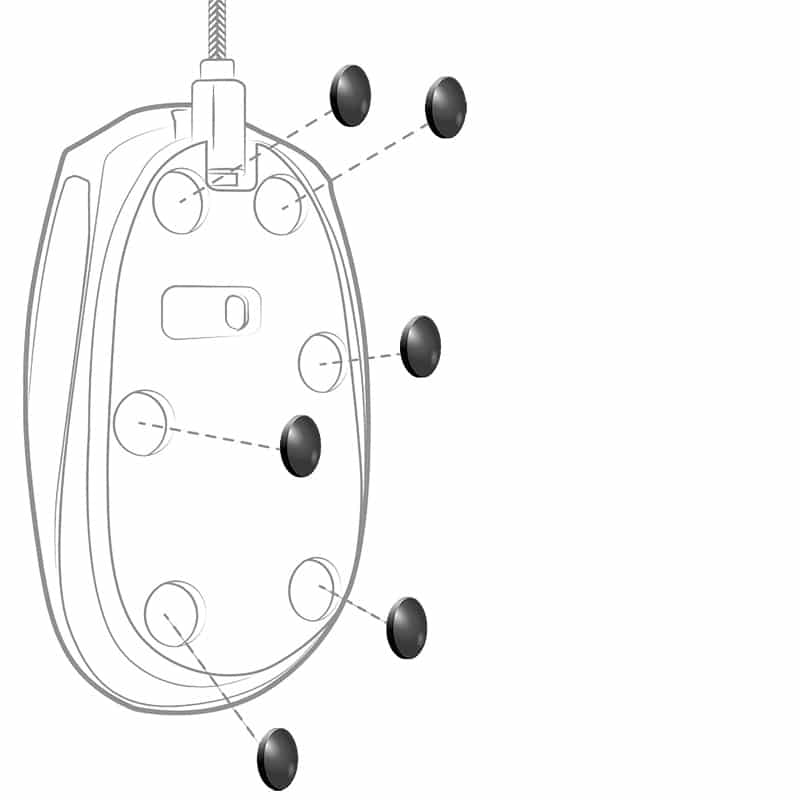
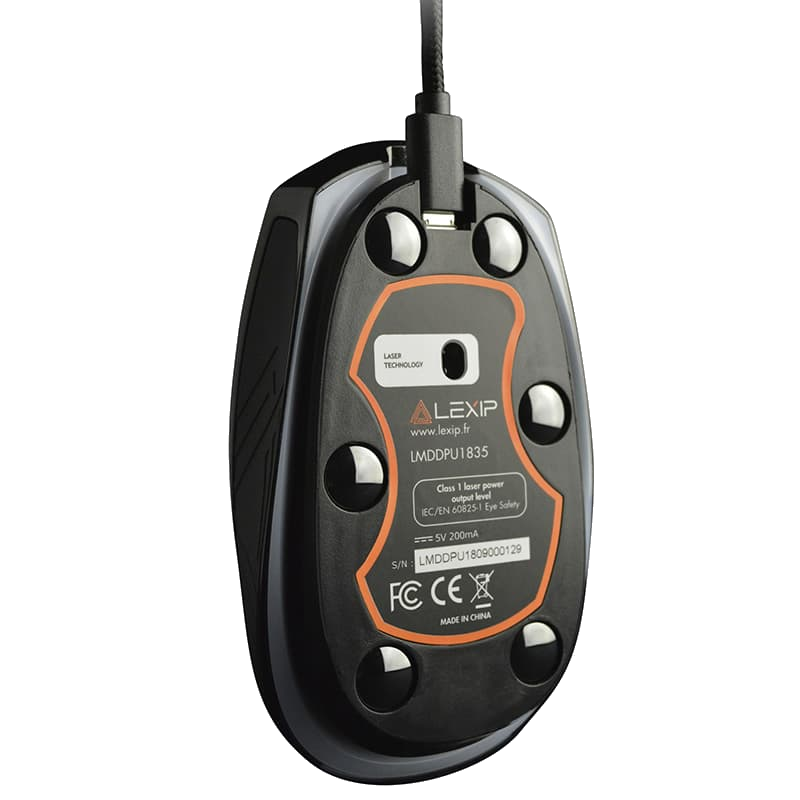
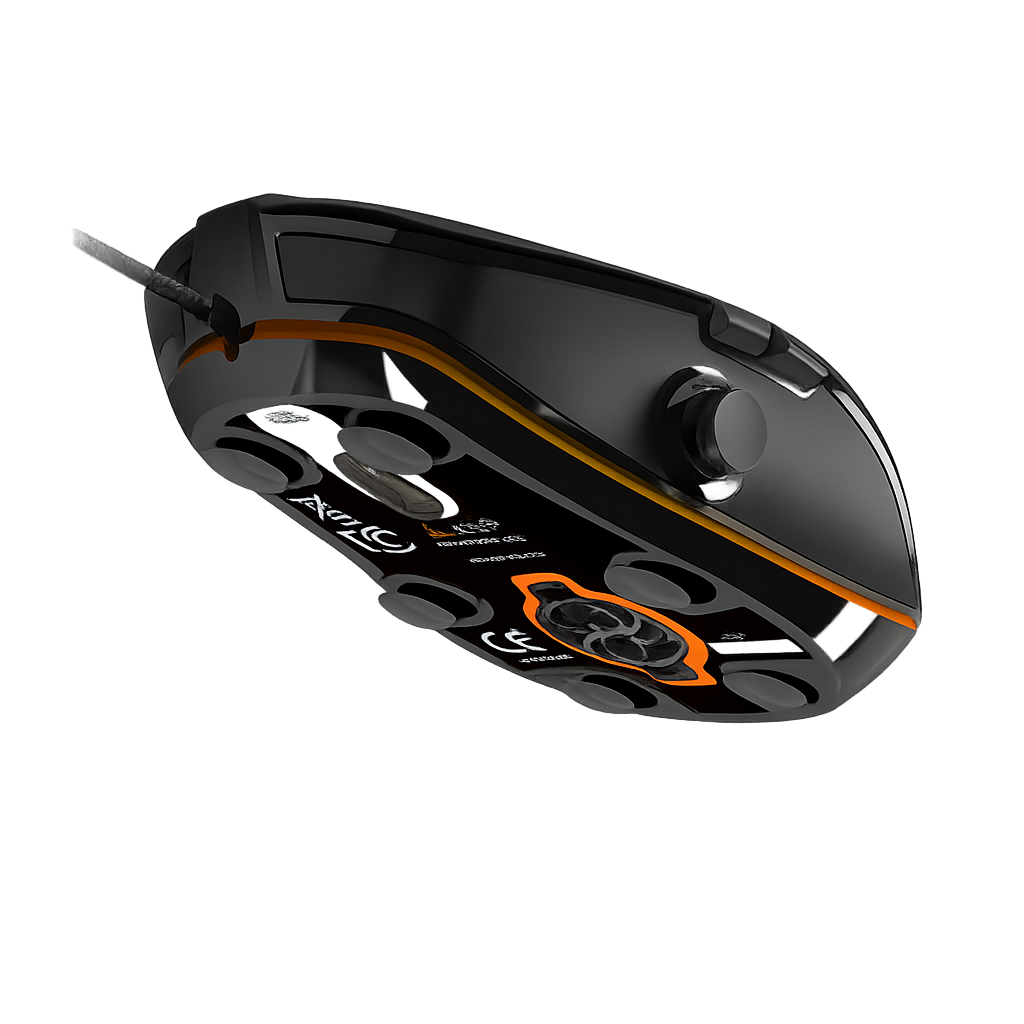
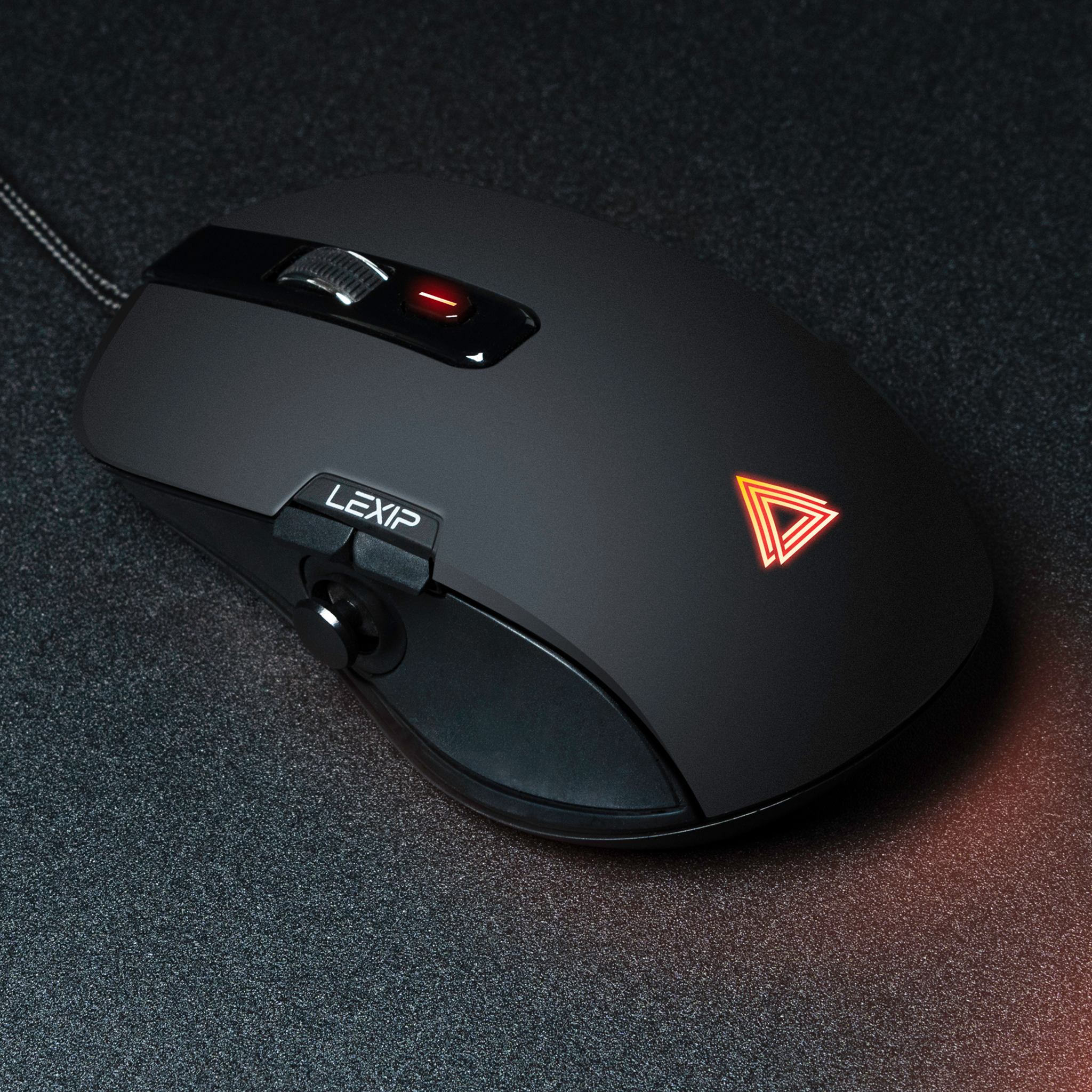
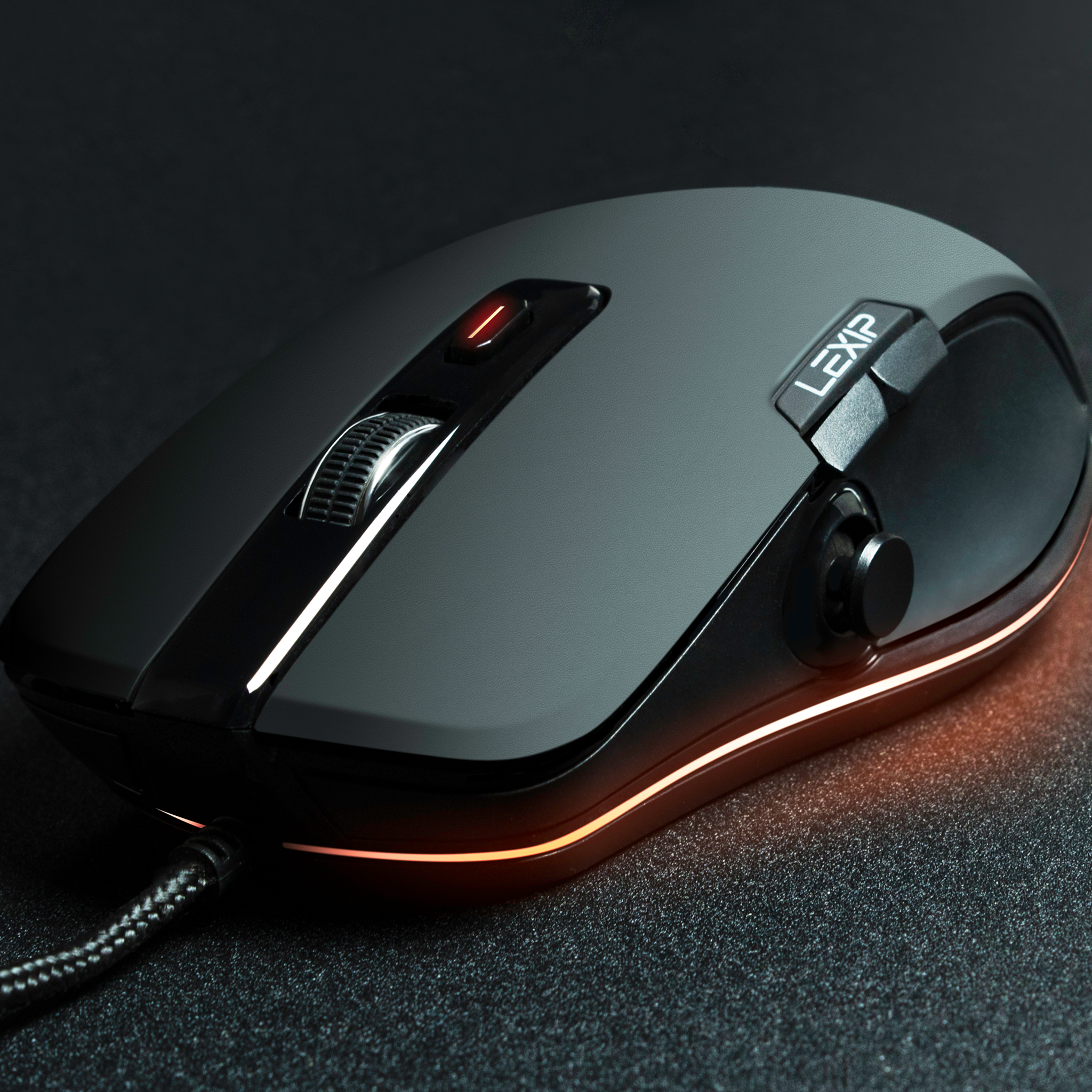
The LEXIP PU94 is a good example since it uses ceramic feet.
With this mouse, the choice of surface allows you to adjust the feeling of the glide quite significantly.
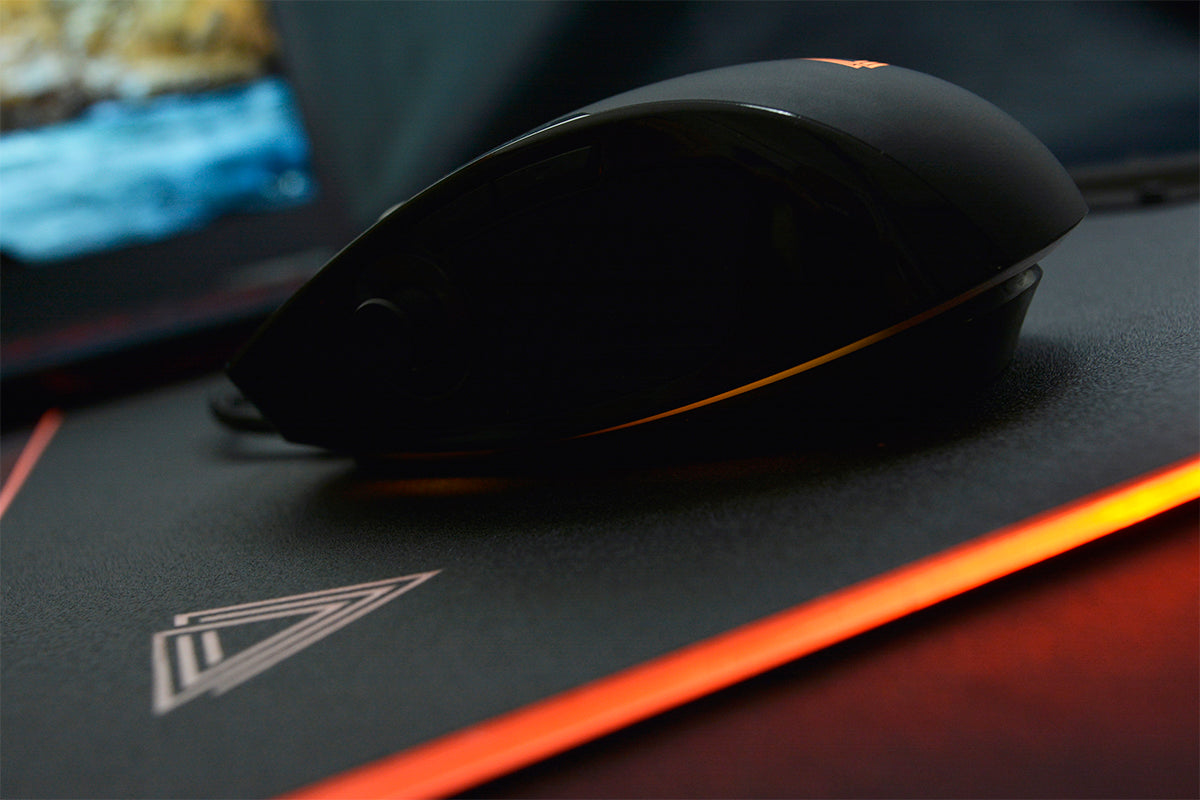
On a very fast pad, the PU94 will favor the fluidity of movement even more. On a textile surface offering more resistance, the movement may feel more contained.
It is therefore not necessary to systematically look for the fastest pad possible. If your mouse already glides easily, a slightly more controlled pad can create an interesting balance.
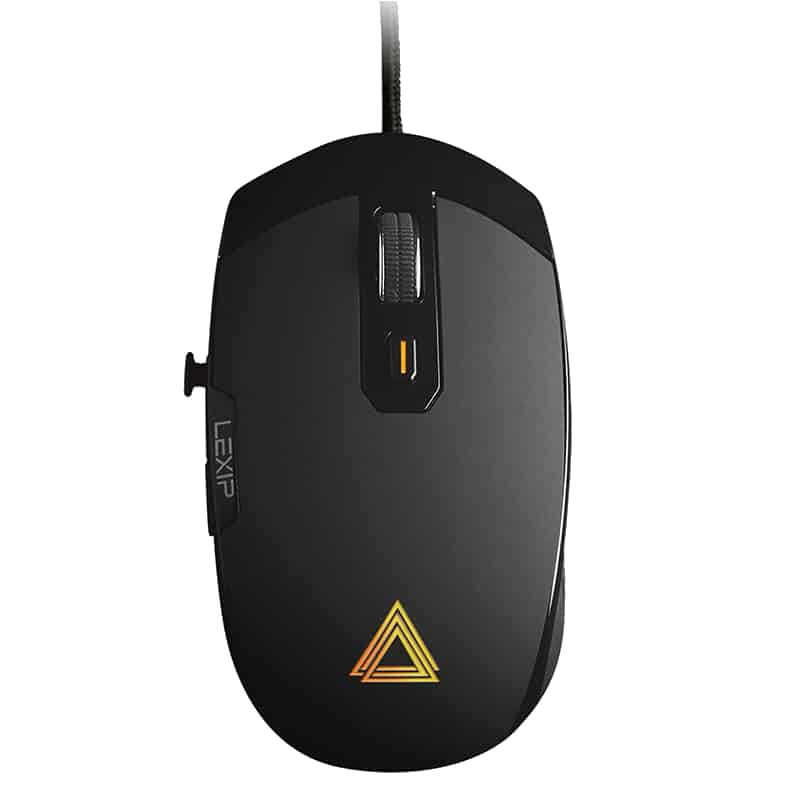
The PU94 also features a thumb joystick and an internal pivot. The pad then acts as another component of the movement: it determines how the mouse moves while the additional controls allow you to take action without unnecessarily multiplying your movements.
Discover the LEXIP PU94 and its controls designed to extend the possibilities under your hand.
Rigid or soft pad for an FPS?
For an FPS, start with your sensitivity.
If you play with low sensitivity and make large movements, a large soft pad is often a good foundation. It provides enough room while facilitating control.
If you use higher sensitivity and are looking for very fast, short movements, a rigid surface may better match your playstyle.
However, there is no rule mandating a type of pad based on a specific game. Two Counter-Strike players might seek totally different sensations.
Which pad to choose for both gaming and office use?
For a workstation used several hours a day, comfort is also worth considering in your decision.
A large soft pad offers a uniform surface under the mouse, the keyboard, and sometimes the wrists. It easily suits a setup shared between gaming, work, or creation.
A rigid pad often takes up less space and is quick to clean. It can be a good choice if you are primarily looking for clean gliding in a more compact area.
Actual usage should therefore guide your choice.
So, rigid or soft pad?
Choose a soft pad if you are looking for control, comfort, and a wide range of motion.
Opt for a rigid pad if you prefer a fast, direct glide with very little friction.
Above all, take your mouse into account. A surface does not produce the same sensations depending on the feet used, your sensitivity, or how you move your hand.
The best pad is ultimately the one that allows your movement to remain precise without forcing you to constantly correct it.
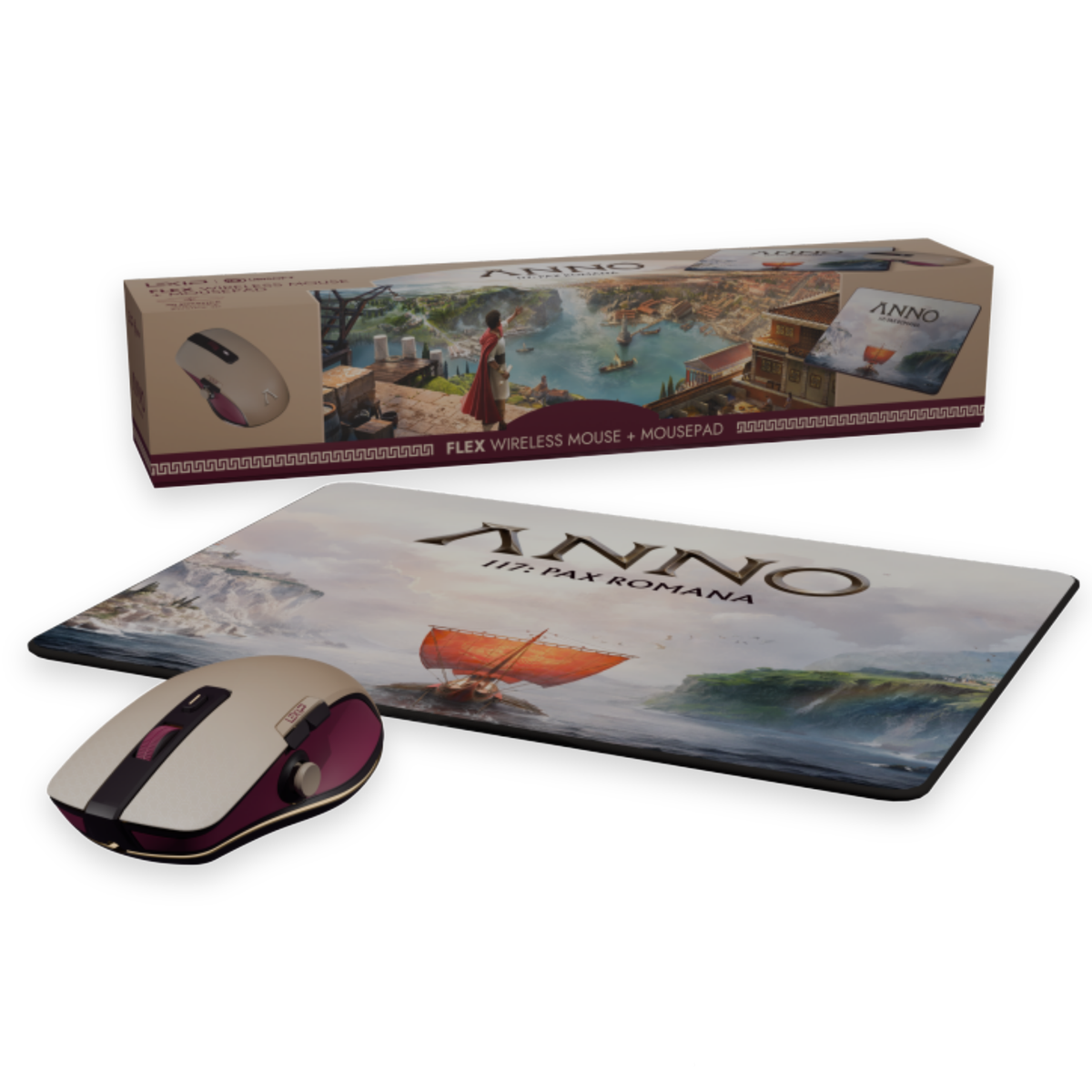
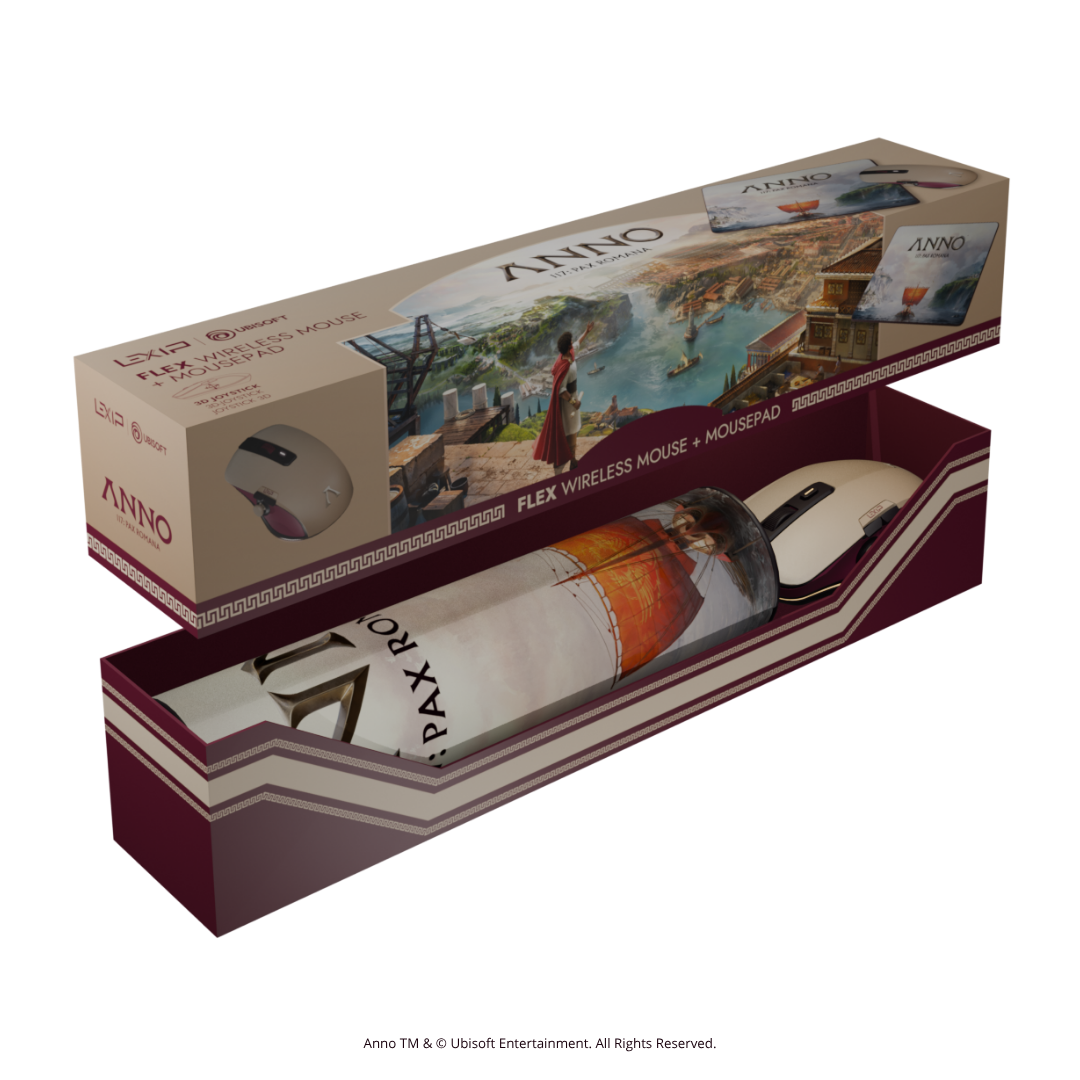
Find LEXIP mice and accessories to put together a setup adapted to your way of playing.










Partager: