



In 1998, The Legend of Zelda: Ocarina of Time laid the foundations for three-dimensional Zelda: enemy targeting, exploration of Hyrule, and puzzles designed around space. Twenty-eight years later, its remake, released on November 5, 2026, on Nintendo Switch 2, revisits the same adventure with a completely rebuilt presentation and new controls.
Yet the most interesting change cannot be seen in a screenshot. It is felt when you move Link, observe a room, or find your way. Here is what has truly changed since the Nintendo 64.
From 1998 to 2026: an unrecognizable Hyrule?
In 1998, Hyrule combined simple geometry, limited textures, and pre-rendered backgrounds. The remake rebuilds the locations in three dimensions: Hyrule Market Square can now be viewed from different angles, while the vegetation, materials, and light sources give the environments more depth.
Link's animations and the visual reactions in combat have also been reworked. Nintendo states that the day-night cycle now continues into the towns. Yet the locations remain familiar.
In terms of fluidity, Digital Foundry notes performance close to 60 frames per second, compared to around 20 on Nintendo 64 and 30 on 3DS. The Switch 2 version still experiences some visual flickering.
Does Ocarina of Time really play differently?
On Nintendo 64, Link automatically jumped when reaching the edge of a platform. You had to anticipate his trajectory rather than trigger the movement. The remake adds a manual jump button. The Nintendo team explains that they had to revise certain terrain elements to prevent this new freedom from allowing players to bypass intended obstacles.
Sprinting also changes long traversals. Previously, players willingly chained rolls to speed up. This habit is still possible, but holding the roll button now allows you to run. Nintendo even abandoned the idea of additional teleports to preserve discoveries along the way.
With the right stick, the camera can finally rotate freely. In 1998, Z-targeting compensated for the limitations of a single-analog-stick controller. It remains central to combat, while the free camera makes inspecting the scenery easier. The quick selection of items and D-pad shortcuts also limit trips to the inventory. On 3DS, the touch screen had already started this simplification.
In combat, Z-targeting remains central. Gohma's arms now more clearly indicate when to strike. The aerial attack can, however, still be triggered the old-fashioned way with a single command or by combining jump and attack, as in recent Zelda games.
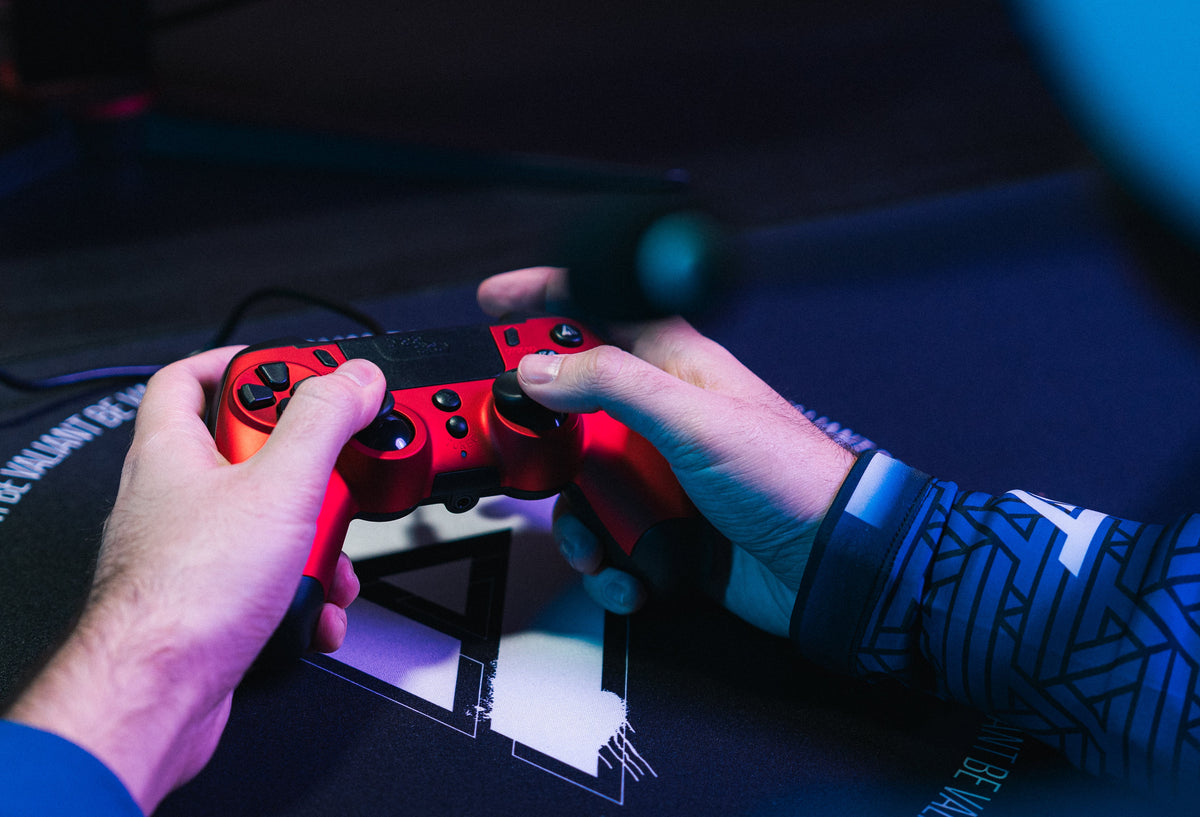
To accompany this evolution of controls, discover the LEXIP Advanced Pro Controller, compatible with Nintendo Switch 2. A way to customize your grip.
Have the dungeons lost their difficulty?
The Water Temple illustrates the difference between a challenging puzzle and a tedious interface. In 1998, changing the water level already required memorizing several routes. You also had to regularly open the menu to equip and then remove the lead boots. A repetitive interruption, especially when looking for a forgotten key.
The 3DS version had already corrected part of the problem: boots were quickly accessible and colored markers helped better identify water levels. The 2026 remake retains this logic, with a direct command for the boots. The developers also replaced certain opaque walls with open structures, to better see neighboring rooms and understand the temple's layout.
Some puzzles received minor adjustments, but exploration remains based on observation, obtained items, and thoughtful backtracking. Nintendo Life believes that the changes have little impact on the structure of the dungeons. In short, removing tedious manipulations does not equal removing the problems to be solved.
A remake that still has surprises in store
The "Time Stream" answers a familiar question: "Where was I supposed to go again?" Accessible during the adventure, it summarizes the story's steps and indicates the next objective. Practical after several days without playing, without turning Hyrule into a succession of markers to follow.
The "Fairy Thoughts" invite you to search the environments to discover little pieces of information about the universe. In the Monster's Coliseum, you can re-fight the bosses, alone or one after another. The concept already existed in another form on 3DS: it is therefore its current presentation that changes, rather than the idea of replaying these fights.
The presentation evolves even further. The dialogue has been enriched, the cutscenes are voiced, and the music rearranged for an orchestra, with particular attention paid to the original melodies. Finally, the ocarina responds to the Switch 2's built-in microphone: humming a learned melody allows Link to play it. An optional feature, designed for the joy of playing.
Do you need to have played the original to appreciate the remake?
No. Ocarina of Time tells a self-contained adventure, with a clear goal: prevent Ganondorf from seizing Hyrule. Its progression is more guided than that of Breath of the Wild or Tears of the Kingdom. Each dungeon brings a new item, then a new way to explore.
For Nintendo 64 veterans, the appeal lies in the contrast between familiar locations and a different way of playing. 3DS version players will find some ergonomic improvements already familiar. The journey between childhood and adulthood, the structure of the dungeons, and the role of music remain the essential landmarks of the adventure. However, the Master Quest mode from the 3DS version is missing at launch.
What really changes
The 2026 remake retains the architecture of Ocarina of Time, but reduces the unnecessary actions that hindered its exploration. Jumping, the camera, sprinting, and item access change the feeling of gameplay more deeply than the graphics upgrade alone.
To continue this reflection on control comfort, you can discover LEXIP controllers compatible with Nintendo Switch 2, including the Advanced Pro Controller. It is up to everyone to find the grip that suits them.


Share :
Controller recognized but unusable: how to fix the problem?